Fermented Foods for Fertility: Is Kimchi, Kefir, or Sauerkraut Good for Conception and Pregnancy? By Sarah Jane Sandy | Certified Master Nutrition Therapist & Fertility Expert Medically reviewed content. 16+ years helping hundreds of women optimize fertility naturally.
If you’re trying to conceive, your gut health may be the missing piece of the puzzle. Fermented foods for fertility are one of the most powerful—and most underused—tools for preparing your body for pregnancy. From kefir for fertility to kimchi and sauerkraut, these probiotic-rich foods support hormone balance, optimize cervical mucus, strengthen your immune system, and create the ideal environment for conception.
In this guide, I’ll explain the science behind the gut-fertility connection, which fermented foods matter most, and whether fermented foods during pregnancy are safe. This is part of my Superfoods for Fertility Blog Series:
The History of Fermented Foods and Their Role in Fertility
Lacto-fermentation is an ancient method of food preservation used for thousands of years across cultures—not just for preservation, but to increase the nutritional value of foods. Sauerkraut, pickles, kimchi, kefir, miso, and yogurt are all lacto-fermented foods. These are nutrient-dense, enzyme-rich, and alive with probiotics.
Don’t confuse fermented and pickled, though. Pickling refers to preserving foods in vinegar. Those supermarket pickle jars are not fermented and don’t offer the probiotic or enzymatic benefits of true lacto-fermented vegetables. Real fermented foods create their own self-preserving lactic acid through the fermentation process—and this lactic acid is incredibly beneficial for digestion and immune health.
Why Are Fermented Foods Good for Fertility? The Gut-Fertility Axis
A healthy gut is one of the first steps in preparing your body for pregnancy. Everything you consume now will affect the health of your future baby. The baby growing in your womb will have its digestive tract colonized by the same bacteria as yours.
Recent research has revealed what scientists now call the “gut-fertility axis.” Your gut microbiome functions like an endocrine organ, regulating reproductive health through several key pathways:
Hormone regulation: Gut bacteria metabolize estrogen through specific enzymes, ensuring it’s available in the right amounts for ovulation and cervical mucus production
Immune system support: 70–80% of your immune system lives in your gut. Autoimmune conditions are a major cause of infertility
Nutrient absorption: A healthy gut absorbs fertility-critical nutrients like zinc, iron, folate, and B vitamins more efficiently
Inflammation control: Gut dysbiosis drives chronic inflammation, which damages egg quality, disrupts hormones, and impairs implantation
The Gut-Vaginal Microbiome Connection
Fermented foods promote the growth of healthy bacteria not just in your stomach, but in your vagina too. When you have a balanced vaginal pH, you produce optimal cervical mucus—which is essential to conception. A healthy vaginal microbiome is dominated by Lactobacillus species, which maintain an acidic environment that protects against pathogens and supports sperm viability.
Research from Genesis Fertility shows that IVF success rates improve significantly when women have healthy Lactobacillus-dominant vaginal microbiomes. The gut microbiome directly influences vaginal bacterial balance—so feeding your gut with fermented foods has a direct ripple effect on your reproductive tract.
During birth, your baby travels down the vaginal canal and literally gulps in vaginal fluid, incorporating the first bacteria that will colonize their gut and immune system. The healthier your vaginal microbiome, the stronger your baby’s immune foundation.
Kefir for Fertility: Why It’s a Probiotic Superfood
Kefir for fertility is one of the most beneficial fermented foods you can add to your diet. Kefir is an ancient cultured, enzyme-rich food full of friendly microorganisms that balance your inner ecosystem and strengthen immunity. It contains a wider diversity of probiotic strains than yogurt—typically 30+ strains vs. yogurt’s 2–5.
A 2024 study on women with PCOS found that 8 weeks of daily kefir consumption reduced inflammatory markers (IL-6), improved quality of life, and shifted gut bacteria composition in beneficial ways. Kefir is also rich in B12, folate, riboflavin, and vitamin K2—all critical for ovulation, conception, and early pregnancy.
You can drink kefir straight, add it to fertility smoothies, or use it as a base for salad dressings and overnight oats.
Is Kimchi Good for Fertility?
Kimchi is an excellent source of probiotics for fertility. Like other probiotic foods, it supports the growth of healthy vaginal bacteria, creating a suitable environment for cervical mucus production. The spicy, slippery discharge that resembles egg whites makes it easier for sperm to reach the uterus.
Beyond probiotics, kimchi is rich in vitamins A, B, and C, plus antioxidants from garlic, ginger, and chili peppers. These compounds reduce oxidative stress and inflammation—both of which can impair egg quality and implantation. Kimchi also supports liver detoxification, which helps your body metabolize excess estrogen more efficiently.
Are Pickles Good for Fertility?
It depends on the type of pickle. Naturally lacto-fermented pickles (made with salt and water, no vinegar) are excellent for fertility—they’re alive with probiotics that support gut health, vaginal pH balance, and nutrient absorption. However, most supermarket pickles are vinegar-pickled and offer no probiotic benefit.
Look for pickles in the refrigerated section of your health food store. They should list only cucumbers, water, salt, and possibly garlic or dill in the ingredients—no vinegar. Brands like Bubbies, Farmhouse Culture, and Olive My Pickle are good options.
Fermented Foods and Your Immune System
It’s estimated that roughly 70–80% of your immune system is in your gut. The healthier your gut, the healthier your immune system—which is critical for fertility. Autoimmune conditions are a major cause of infertility, and chronic inflammation impairs every stage of conception from ovulation to implantation.
When you consume fermented foods, the beneficial bacteria balance your gut flora and stomach acids, releasing enzymes that improve digestion and elimination. Better digestion means better absorption of fertility nutrients like folate, iron, zinc, and vitamin D.
Prebiotics + Probiotics: The Synbiotic Advantage
Fermented foods provide probiotics (beneficial bacteria), but those bacteria need fuel to thrive. That’s where prebiotics come in—they’re the fiber that feeds your good bacteria. For maximum fertility benefit, pair fermented foods with prebiotic-rich foods:
Garlic, onions, and leeks
Asparagus and Jerusalem artichokes
Bananas (slightly green)
Chicory root and dandelion greens
Oats and flaxseed
The Hidden Fertility Nutrient: Vitamin K2
Fermented foods like sauerkraut, natto, and kefir contain vitamin K2 (menaquinone)—a nutrient that’s critical for calcium metabolism, bone health, and blood vessel integrity. K2 supports proper blood clotting (important for implantation) and helps the body utilize vitamin D more effectively. Since vitamin D plays a major role in ovulation and egg quality, the K2 in fermented foods creates a synergistic fertility benefit.
Fermented Foods During Pregnancy: What’s Safe?
One of the most common questions I get is whether fermented foods while pregnant are safe. The answer is yes—with a few guidelines:
Yogurt, kefir, sauerkraut, kimchi, miso, and tempeh are all safe during pregnancy
Choose pasteurized dairy-based ferments (yogurt, kefir) to avoid listeria risk
Homemade ferments are safe when prepared with proper hygiene and fermentation times
Kombucha: limit to small amounts (4–8 oz) due to trace alcohol and caffeine content
Avoid unpasteurized soft cheeses (different from properly fermented hard cheeses)
The probiotics in fermented foods during pregnancy support your immune system, reduce risk of gestational diabetes, improve digestion (helpful for pregnancy constipation), and begin building the microbial foundation your baby will inherit at birth.
How to Consume Fermented Foods for Fertility
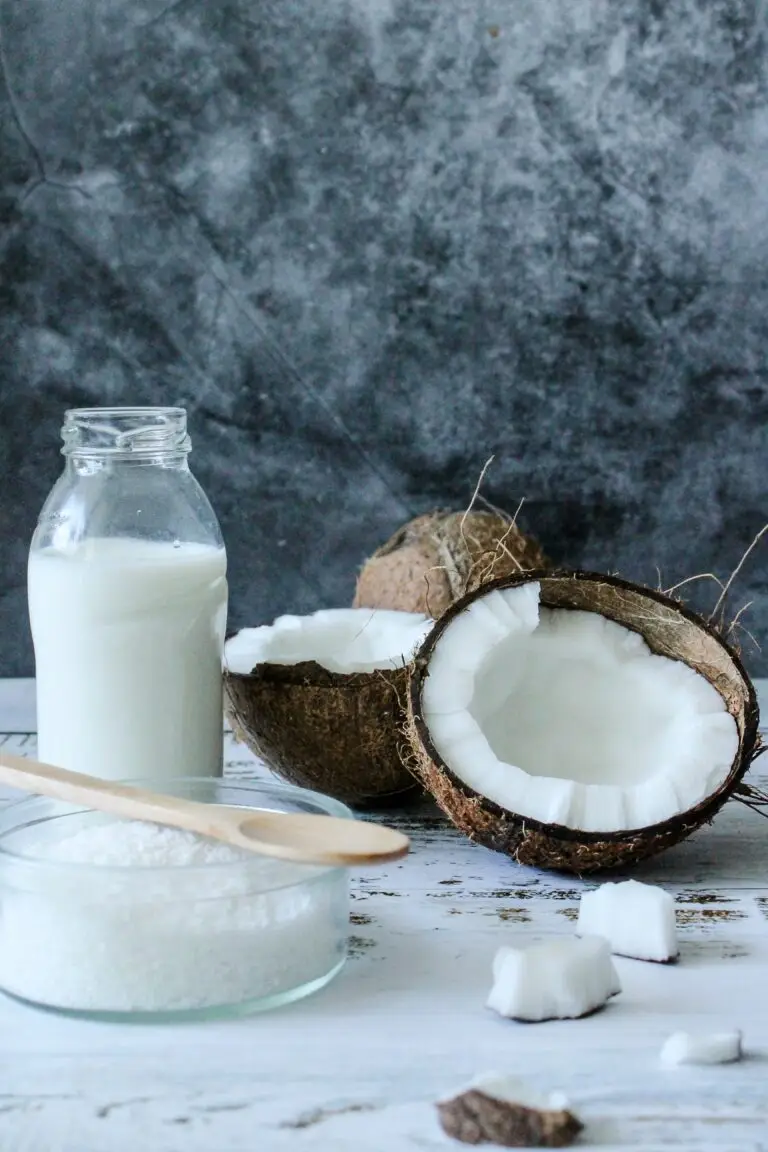
You have many options: sauerkraut, naturally fermented pickles, pickled ginger, unsweetened coconut yogurt, unsweetened coconut kefir, kombucha, kimchi, kefir water, beet kvass, and lacto-fermented vegetables and fruits like beets, carrots, and green papaya.
Make sure you’re buying foods that are lacto-fermented—prepared traditionally with salt and water, not vinegar. Look for them in the refrigerated section. MMLocal, Zuke, and Farmhouse Cultures are good brands. Even better: make your own ferments at home.
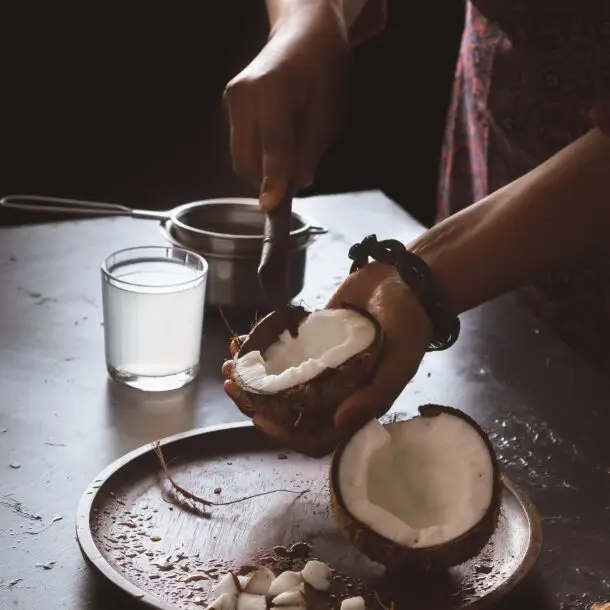
Coconut Milk Yogurt Recipe
Ingredients:
1 can (13.5 oz) full-fat coconut milk, BPA-free (Organic Native Forest is great)
1 tablespoon Inner-Eco fermented coconut water probiotic kefir OR 1 capsule of any probiotic as your starter
A lidded glass jar big enough for the contents
An oven that’s free for up to 24 hours
Step 1: Refrigerate Your Canned Coconut Milk (Optional) – Don’t shake the can. Refrigerate for a few hours so the cream rises. Use just the cream for thicker yogurt, or use the entire can (I do).
Step 2: Combine Ingredients – Place coconut milk into a sterilized glass jar with either the tablespoon of Inner-Eco or probiotic capsule powder. Mix with a spoon.
Step 3: Wait! – Put the sealed jar in the oven with the light on. DO NOT TURN THE OVEN ON. The closed oven and light generate a stable 105–110°F—perfect incubation conditions. Leave for 24 hours. The longer it sits, the more yogurt-y it becomes.
Yes. Kimchi is a rich source of probiotics that support healthy vaginal bacteria and cervical mucus production. It also contains antioxidants from garlic and ginger that reduce inflammation and oxidative stress—both of which impair egg quality. Include it as a regular side dish or add it to grain bowls and stir-fries.
Is kefir good for fertility?
Kefir is one of the best fermented foods for fertility. It contains 30+ probiotic strains (vs. yogurt’s 2–5), plus folate, B12, vitamin K2, and riboflavin—all critical for ovulation and early pregnancy. A 2024 study showed kefir reduced inflammation in women with PCOS after just 8 weeks.
Are pickles good for fertility?
Naturally lacto-fermented pickles (made with salt, not vinegar) are beneficial—they provide probiotics that support gut health and vaginal pH balance. However, most supermarket pickles are vinegar-pickled and offer no probiotic benefit. Check the label: real fermented pickles are in the refrigerated section.
Ready to Find Out What’s Really Affecting Your Fertility?
If you’re trying to get pregnant and keep hearing that “everything looks normal” — yet you’re still not pregnant — there is almost always a deeper root cause being missed.
After nearly 20 years studying reproductive health and helping hundreds of women uncover what’s really affecting their fertility, I’ve found that most “unexplained” cases aren’t actually unexplained — they’re just incomplete.
Because while standard fertility care focuses on basic hormones and anatomy, it often overlooks the factors that truly determine whether pregnancy happens: egg quality, ovulation quality, metabolic health, inflammation, nutrient status, and how your body responds to stress.
That’s exactly what we uncover inside The Fertility Code — my 12-week, high-touch program designed to identify what’s been missed and give you a clear, personalized plan to support your body in conceiving.
Inside the program, we take a close, comprehensive look at your fertility: your history, the right lab work, your nutrition and lifestyle, and the key biological systems influencing your ability to conceive. With 1:1 guidance, ongoing support between calls, and a structured plan tailored to your body, you stop second-guessing and start moving forward with clarity.
If you’re done guessing and ready to finally understand what your body needs to get pregnant — and fix what’s been missed — you can explore the program here → The Fertility Code.
About Sarah Jane Sandy
Sarah Jane Sandy is a certified nutrition therapist, and a fertility and women’s health expert. She has helped hundreds of women increase their fertility naturally and go on to have healthy full-term pregnancies. She has been working with women and couples trying to get pregnant for over 15 years and over 90% of the women who work with her get pregnant and have healthy babies. Learn more about her own fertility journey here. To send Sarah a message, complete her Contact Form.
Sarah Jane Sandy is a certified nutrition therapist, and a fertility and women's health expert. She has helped hundreds of women increase their fertility naturally and go on to have healthy full-term pregnancies. She has been working with women and couples trying to get pregnant for over 16 years and over 90% of the women who work with her get pregnant and have healthy babies.
She also works with women trying to fix their hormone imbalances, as well as supporting women through pregnancy and the postpartum period. Learn more about her own fertility and hormone journey here. To send Sarah a message, complete her Contact Form.