
Natural Remedies for Uterine Fibroids: Diet, Supplements & Lifestyle Strategies to Shrink Fibroids and Protect Fertility
If you’re looking for natural remedies for fibroids, you’re not alone. Between 30 to 77% of women will develop fibroids during their childbearing years, and fibroids are responsible for over 200,000 hysterectomies in the US annually. The good news: with the right diet, targeted supplements, and lifestyle changes, you can manage symptoms, slow fibroid growth, and protect your fertility.
In this guide, I’ll cover exactly how to shrink fibroids naturally: the fibroid diet, research-backed supplements for fibroids (including breakthrough vitamin D and EGCG research), herbs, and lifestyle strategies that work.
This is part of my Natural Remedies series:
Natural Remedies for Polycystic Ovary Syndrome (PCOS)
Natural Remedies for Endometriosis
Natural Remedies for Low Progesterone
Natural Remedies for Estrogen Dominance
Table of Contents
Uterine fibroids are benign (non-cancerous) tumors made of smooth muscle cells and fibrous connective tissue that form within the uterus. They’re also known as myomas, leiomyomas, or fibromas. They’re found in about 20–50% of women of reproductive age, though many fibroids are too small to detect during a physical exam.
Fibroids are classified by location:
Did you know that fibroids are responsible for over 200,000 hysterectomies in the USA annually?
Many women with fibroids have no symptoms. When they do occur, symptoms are influenced by size, location, and number:
Fibroid growth patterns vary—they can grow slowly, rapidly, stay the same, or even shrink on their own. The growth is unpredictable.
The exact cause is unknown, but several factors contribute:
Hormones. Estrogen and progesterone promote fibroid growth. Fibroids contain more estrogen and progesterone receptors than normal uterine muscle cells. They tend to shrink after menopause when hormone levels drop.
Genetics. Many fibroids contain gene changes that differ from normal cells. Family history significantly increases risk.
Race. African American women are 2–3x more likely to develop fibroids, tend to develop them younger, and have more and larger fibroids.
Diet. Foods high in unhealthy fats, processed meats, and inflammatory vegetable oils increase risk.
Obesity. Excess body fat increases estrogen production, promoting fibroid growth.
Vitamin D deficiency. Emerging research shows a strong link between low vitamin D and increased fibroid risk and size.
Hypothyroidism. Overt hypothyroidism has been associated with fibroid presence.
Early menstruation. Women who began menstruating before age 10 are at higher risk.
Birth control. Hormonal contraceptives can accelerate fibroid growth due to increased estrogen.
Submucosal fibroids are responsible for 2–10% of infertility cases. Research shows fibroids can cause:
Not all women with fibroids experience fertility problems—many have healthy pregnancies. But reducing fibroid growth BEFORE trying to conceive is the best strategy. Many fibroids present during pregnancy shrink or disappear postpartum.
Yes, in some cases. Fibroids often shrink after menopause when estrogen levels drop. During reproductive years, they can shrink with consistent dietary changes that reduce estrogen exposure, targeted supplementation (especially vitamin D and EGCG), and hormone-balancing strategies. However, results take 6–12 months of consistent effort.
The fibroid diet focuses on reducing estrogen, lowering inflammation, and supporting liver detoxification.
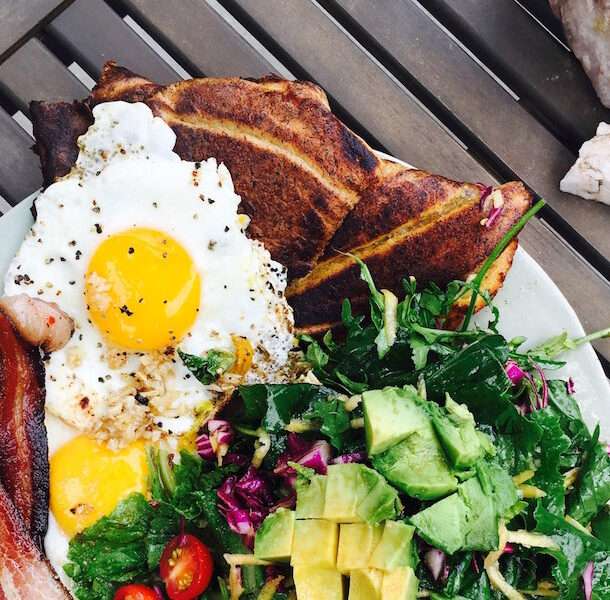
A mega effective way to pack in lots of fiber and iron into your diet is through juicing. This is one of my fav juices to help shrink fibroids. Spinach is loaded with iron and is therefore great for combating the iron-deficiency anemia that can result from the heavy menstrual bleeding due to fibroids. The apples in this juice are very cleansing to the liver, which helps promote liver function, allowing the liver to better metabolize estrogen, thereby helping to lower the elevated estrogen level commonly seen in women with fibroids. This, in turn, prevents the fibroid tumors from growing larger. Ginger is a major anti-inflammatory food – inflammation and acidosis within the uterus are the other major contributing factors leading to the development of new fibroids. By working to reduce the inflammation, ginger helps to prevent further acid damage to the cells of the uterus, thereby decreasing the risk of them becoming cancerous.
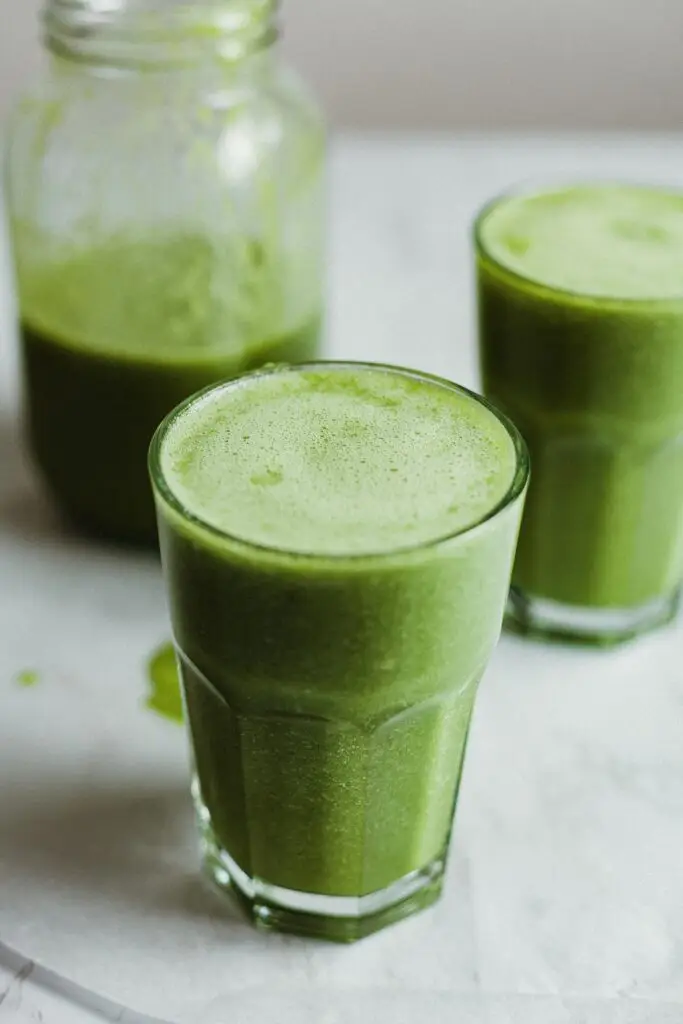
Fibroid Shrinking Green Juice
2 cups of spinach
1 bunch of parsley
3 stalks of celery
1 cucumber
1 medium apple
1 lemon
½ inch of ginger
Throw all of the ingredients into a juicer, and drink!
A 2020 PMC review confirmed that multiple supplements for fibroids show promise for reducing fibroid volume and relieving symptoms. A 2026 prospective study found that combined vitamin D, EGCG, and B6 supplementation significantly reduced fibroid volume in women of childbearing age.
This is the single biggest competitive gap in fibroid content online. Research consistently shows that women with fibroids have significantly lower vitamin D levels, and that vitamin D supplementation can inhibit fibroid cell growth and reduce tumor size. A clinical trial found that vitamin D3 supplementation decreased fibroid volume by up to 32% over 12 weeks. Get your levels tested—optimal is 50–70 ng/mL. Most women with fibroids need 4,000–5,000 IU daily. I recommend this vitamin D.
Epigallocatechin gallate (EGCG) from green tea has the strongest clinical evidence of any natural fibroid treatment. A clinical trial on ClinicalTrials.gov showed EGCG caused up to 80% shrinkage of fibroid lesions in animal models, and human studies show reduced tumor size, fewer symptoms, and decreased blood loss. The combination of EGCG with vitamin D appears to be particularly effective. Dose: 800 mg of EGCG daily (standardized green tea extract). I recommend this EGCG.
A study found that 6 months of curcumin treatment significantly reduced fibroid size and activity. Curcumin works through anti-inflammatory, antioxidant, and anti-proliferative mechanisms. Take in supplement form for therapeutic doses. I recommend this Curcumin.
DIM supports healthy estrogen metabolism—shifting estrogen toward less proliferative pathways. Critical for estrogen-dependent conditions like fibroids. I recommend this DIM.
Reduces inflammation and prostaglandin-driven pain. I recommend OmegAvail Hi-Po.
B6 supports liver detoxification of estrogen and was part of the successful vitamin D + EGCG + B6 supplementation protocol in the 2026 Italian study. B vitamins also help manage the fatigue associated with anemia from heavy bleeding. I recommend this B Vitamin blend.
Since fibroids are associated with estrogen dominance, bioidentical progesterone helps restore hormonal balance. Use post-ovulation per my progesterone guide.

Castor oil packs applied to the lower abdomen increase circulation, reduce inflammation, and may help break down fibroid tissue and adhesions. Use 3–4 times per week during the follicular phase. Do NOT use during menstruation, after ovulation if you’re actively trying to conceive, or if you suspect pregnancy.
Tap water contains residual estrogens from hormonal birth control, plus fluoride, dioxins, and heavy metals—all of which increase your estrogen load. Invest in a high-quality filter.
Xenoestrogens in plastics, cosmetics, cleaning products, and canned goods add to your estrogen burden. Switch to non-toxic alternatives. Use glass containers. Choose organic whenever possible.

Regular exercise reduces estrogen levels, manages weight, and improves circulation to the pelvic region. Aim for 30–45 minutes of moderate exercise 4–5 days per week. Yoga and swimming are particularly beneficial.
Chronic stress raises cortisol, which disrupts the estrogen-progesterone balance that feeds fibroid growth. Prioritize daily stress management: meditation, deep breathing, adequate sleep (7–9 hours), and time in nature.
Excess body fat produces estrogen through aromatase activity. Even modest weight loss can reduce circulating estrogen and slow fibroid growth.
If you’re trying to get pregnant and looking for a solution-based, comprehensive approach, read my complete guide: What’s Actually Preventing Pregnancy — and How to Fix It.
The most effective natural remedies combine an anti-inflammatory, estrogen-reducing diet (eliminating processed foods, conventional dairy, sugar, and alcohol), targeted supplements (vitamin D, EGCG, curcumin, DIM, omega-3s), castor oil packs, bioidentical progesterone, and lifestyle changes (exercise, stress reduction, environmental cleanup). Consistency over 6–12 months is key.
Cruciferous vegetables (broccoli, cabbage, Brussels sprouts) support estrogen detoxification. Flaxseed (2+ tablespoons daily) balances estrogen with lignans. Turmeric and ginger reduce inflammation and fibroid cell activity. Wild-caught fish provides anti-inflammatory omega-3s. Green leafy vegetables provide vitamin K for bleeding control. Organic produce reduces pesticide-driven estrogen exposure.
Yes, in some cases. Fibroids often shrink after menopause. During reproductive years, they can shrink with consistent dietary changes, vitamin D supplementation, and EGCG (green tea extract). A clinical trial showed EGCG caused up to 80% fibroid shrinkage in animal models, with human studies confirming significant volume reduction. Results typically require 6–12 months of consistent effort.
The most research-backed supplements are vitamin D (can reduce fibroid volume by up to 32%), EGCG/green tea extract (inhibits fibroid growth and reduces bleeding), curcumin (reduces fibroid size and activity), DIM (supports estrogen metabolism), omega-3 fish oil (anti-inflammatory), and B6 (supports liver estrogen clearance). A 2026 study confirmed the vitamin D + EGCG + B6 combination is particularly effective.
Yes. Many women with fibroids conceive and carry healthy pregnancies. Submucosal fibroids (those inside the uterine cavity) are most likely to affect fertility. Reducing fibroid size through natural strategies before trying to conceive gives you the best chance. Many fibroids present during pregnancy shrink or disappear postpartum.
Yes, and this is one of the most exciting areas of fibroid research. Women with fibroids consistently have lower vitamin D levels. Supplementation has been shown to inhibit fibroid cell growth and reduce tumor volume. Get your levels tested—optimal is 50–70 ng/mL. Most women with fibroids need 4,000–5,000 IU daily.
Expect at least 6–12 months of consistent effort. Some women notice symptom improvements (lighter periods, less pain) within 2–3 months. Supplement effects from vitamin D and EGCG typically show measurable fibroid volume reduction within 3–6 months. Be patient—natural remedies address root causes.
If you’ve been told everything looks normal but you’re still not pregnant, or you have a diagnosis like PCOS, endometriosis, or poor egg quality and nothing is working, there’s almost always something deeper that hasn’t been found yet.
Standard fertility testing rarely evaluates the factors that actually determine whether pregnancy happens: egg quality, ovulation quality, metabolic health, inflammation, nutrient status, and how your body responds to stress.
After nearly 20 years and over a thousand clients, I’ve found that most fertility struggles come down to a small number of hidden drivers preventing pregnancy. When those drivers are identified and addressed in the right order, the body responds.
That’s exactly what we uncover inside The Fertility Code, my 12-week, high-touch fertility program for women who are done guessing. We find what’s been missed and build a clear, personalized strategy around your body, your labs, and your history.
With 1:1 coaching, direct access between calls, lab reviews, evidence-based content, and structured accountability, you get expert eyes on your case so you can stop second-guessing and start moving forward with clarity.
Over 90% of the women I work with go on to conceive.
If you’re ready to finally understand what your body needs for a successful pregnancy and address what’s been missed, you can explore the program here → The Fertility Code.
Or schedule a free Fertility Strategy Call to see if the program is right for you.


© 2026 Sarah Jane Sandy. All rights reserved. Privacy Policy | Terms and Conditions | Medical Disclaimer | Editorial Policy

Curious about your fertility health? Take this simple quiz to find out what factors may be harming your fertility, and learn what you can do about it!