

Last Updated May 18, 2026
If you’re looking for natural remedies for endometriosis, you’re in the right place. Endometriosis is a painful, chronic condition that affects at least 10% of women of reproductive age—and it’s one of the most common causes of infertility. While medical treatments like surgery and hormone therapy play an important role, natural strategies are foundational and should always go hand in hand with conventional care.
In this guide, I’ll walk you through the most effective endometriosis natural treatment strategies: the endometriosis diet, targeted supplements for endometriosis, herbs, and lifestyle changes that reduce pain, lower inflammation, and support fertility. With over 18 years of clinical experience helping women with hormonal conditions get pregnant, over 90% of my clients conceive and carry healthy pregnancies.
You can find the other five parts of the series here:
Natural Remedies for Polycystic Ovary Syndrome (PCOS)
Natural Remedies for Endometriosis
Natural Remedies for Fibroids
Natural Remedies for Low Progesterone
Natural Remedies for Estrogen Dominance
Table of Contents
Endometriosis is a chronic disease that occurs when tissue similar to the endometrium (the lining of the uterus) grows outside the uterus—on the ovaries, fallopian tubes, ligaments supporting the uterus, the area between the vagina and rectum, the outer surface of the uterus, and the lining of the pelvic cavity.
This displaced tissue responds to estrogen just as a normal endometrium does: it thickens, breaks down, and bleeds with each menstrual cycle. Because the blood has no way to exit the body, it becomes trapped in the pelvis, causing irritation, scar tissue, adhesions (where organs bind together), and chronic pain.
The most important first step: reduce excess estrogen. Endometrial tissue is estrogen-dependent—the more estrogen in your body, the worse your endometriosis will be. This means avoiding estrogens in your food (conventional meat and dairy) and your environment (plastics, canned goods, cosmetics, cleaning products). The chemicals in these items are often estrogen-based xenoestrogens that add to your total estrogen load. Learn how to clean up your environment here.

The primary symptom is pelvic pain, often far worse than typical menstrual cramping. Endometriosis is sometimes mistaken for PID, ovarian cysts, or IBS.
Common symptoms include:
Painful periods (dysmenorrhea)—pelvic pain and cramping before and during your period, plus lower back and abdominal pain
Pain with intercourse—during or after sex
Pain with bowel movements or urination—especially during your period
Excessive bleeding—heavy periods or bleeding between periods
Infertility—often the first sign that leads to diagnosis
Fatigue, diarrhea, constipation, bloating, or nausea during menstrual periods
The severity of pain doesn’t necessarily indicate the extent of the disease. Some women with mild endometriosis have intense pain; others with advanced disease have little pain.
Endometriosis is classified in four stages (I through IV), ranging from minimal to severe, based on the location, extent, and depth of implants and the presence of adhesions. However, stage does not always correlate with symptom severity or fertility impact.

The exact cause remains undetermined. Possible explanations include:
Genetic predisposition. Women with mothers or sisters who have endometriosis are at significantly higher risk.
Retrograde menstruation. During menstruation, some blood and tissue flow backward through the fallopian tubes instead of out through the vagina. If endometrial tissue clogs the tubes or reaches the peritoneal cavity, it can stick to pelvic surfaces and grow.
Lymphatic flow theory. Endometrial tissue may spread throughout the body via the lymphatic system.
Surgical scar implantation. After C-sections or hysterectomies, endometrial cells may attach to surgical incisions.
Oxidative stress. Free radical damage has been suggested as a leading contributing factor. This may be driven by dietary factors, chemical toxin exposure, aging, and chronic inflammatory responses. A 2023 PMC review confirmed that oxidative stress plays a central role in endometriosis pathogenesis and that antioxidant supplementation shows therapeutic promise.
Immune system dysfunction. The body may fail to recognize and destroy endometrial tissue growing outside the uterus.
Low progesterone and estrogen dominance. When progesterone drops, estrogen becomes disproportionately high. This combination has been directly linked to endometriosis development. Read more: How to Increase Progesterone and Boost Fertility.
Approximately one-third to one-half of women with endometriosis have difficulty getting pregnant. Endometriosis can obstruct the fallopian tubes, damage sperm or eggs, and the body may form antibodies against displaced endometrial tissue—those antibodies can attack the uterine lining, causing miscarriages at up to three times the normal rate.
But there is real hope. With mild to moderate endometriosis, 70–80% of women conceive within 3 years. Even with advanced endometriosis, pregnancy is possible with the right treatment strategy.

Yes. Many women with endometriosis conceive naturally, especially when they implement the anti-inflammatory, hormone-balancing strategies outlined in this guide. The key is reducing excess estrogen, lowering inflammation, supporting progesterone, and creating the healthiest possible environment for implantation.
Give yourself at least 6–12 months of consistent dietary and lifestyle changes before evaluating results.
The endometriosis diet focuses on two goals: reducing excess estrogen and reducing inflammation. Begin by eliminating these inflammatory, estrogen-promoting foods:
Eliminate these for at least three weeks, paying close attention to how your body changes throughout the process. Alcohol should also be completely eliminated—your liver is responsible for metabolizing and clearing excess estrogen, and alcohol impairs that function.
Replace inflammatory foods with these endometriosis-fighting options:
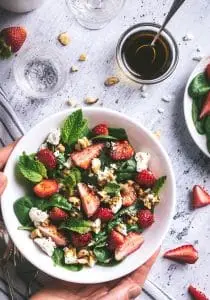
Superfood Salad
For the salad:
1 bunch of coriander leaves, chopped
1 bunch of mint leaves, chopped
1 bunch of parsley, chopped
½ red onion, finely chopped
1 cup quinoa
1 cup lentils
2 tablespoons toasted pumpkin seeds
2 tablespoons toasted slivered almonds
2 tablespoons toasted pine nuts
2 tablespoons capers
¼ cup pomegranate arils
For the dressing:
3 tablespoons extra virgin olive oil
Juice from 1 lemon
1 tablespoon honey
1 cup CoYo coconut milk yogurt
1 teaspoon cumin seeds, toasted and ground
Cook the quinoa according to the directions, and let cool. Blanch the lentils in boiling water until both just cooked, and let cool. Mix the yogurt, ground cumin and honey until combined. In a medium bowl, mix the coriander, mint, parsley, red onion, quinoa, lentils, toasted nuts, capers, pomegranate arils, lemon juice and olive oil. Mix well and season to taste. Place into serving dish and top with cumin yogurt.
Magnesium-rich foods also help soothe the uterus and reduce pain. These include:
Iron-rich foods are important as well because they replenish the loss of iron in the body, which is a result of excess bleeding. Iron-rich foods include:
In addition, you can reduce inflammation, relieve joint and muscle pain, and regulate hormone production with important healthy fats. Essential fatty acids reduce inflammation in the body which will help to lessen the pain that endometriosis can cause:
If you are suffering from constipation as an endometriosis symptom, eat high-fiber foods like:

Targeted supplements for endometriosis address inflammation, oxidative stress, estrogen metabolism, and immune function. A 2021 review in Acta BioMedica evaluated the evidence for multiple supplements and concluded they can be used as complementary treatments for endometriosis. Here are the ones I recommend:
Omega-3 fatty acids are one of the most powerful natural anti-inflammatories. They reduce prostaglandin production (the compounds that cause endometriosis pain) and have been shown to inhibit the growth of endometrial implants in animal studies. I recommend OmegAvail Hi-Po.
Curcumin is a polyphenol with potent anti-inflammatory and anti-estrogenic properties. Research shows it can inhibit endometrial cell proliferation, reduce adhesions, and decrease pain. A PMC review confirmed curcumin’s role in modulating NF-kB pathways and reducing inflammatory cytokines in endometriosis tissue. Take in supplement form for therapeutic doses (food alone isn’t sufficient). I recommend CurcumEvail.
NAC is a powerful antioxidant that reduces oxidative stress—a key driver of endometriosis. An Italian study found that NAC reduced endometrioma size in 24 of 47 patients, with 8 experiencing complete disappearance. I recommend this N-Acetyl Cysteine.
Women with endometriosis frequently have lower vitamin D levels, and a meta-analysis found a negative relationship between vitamin D levels and endometriosis severity. Vitamin D supports immune regulation and may help the body recognize and clear displaced endometrial tissue. I recommend this Vitamin D.
Magnesium relaxes smooth muscle tissue, which can ease uterine cramping and endometriosis pain. It also supports healthy progesterone production and reduces cortisol. Most women are deficient. I recommend magnesium glycinate for best absorption.
DIM is derived from cruciferous vegetables and supports healthy estrogen metabolism—shifting estrogen toward less inflammatory pathways. This is critical for estrogen-dominant conditions like endometriosis. I recommend DIM-Evail.
Pycnogenol is a pine bark extract with powerful antioxidant properties. A study in the Journal of Reproductive Medicine found it reduced endometriosis symptoms comparably to GnRH agonist drugs—but without the side effects, and with longer-lasting results.
Women with endometriosis tend to have lower zinc levels. Zinc supports immune function, reduces inflammation, and research shows higher zinc levels in ovarian follicular fluid correlate with better IVF outcomes in endometriosis patients. I recommend Zinc Supreme.
Enzyme therapy is one of the best and most effective natural treatments for endometriosis. Specific enzymes can reduce the scar tissue and digest the excess tissues left from endometriosis. Enzyme therapy also aids women who have endometriosis by reducing the inflammation caused from the scar tissue irritating the surrounding organs and may help with the pain that sometimes comes from having endometriosis. The blood cleansing actions of enzymes help to bring proper circulation to the reproductive system and get the “stagnant blood” cleared out, bringing fresh oxygenated blood to your uterus and ovaries. I recommend Inflammatone.
Sulforaphane is a powerful compound naturally found in cruciferous vegetables like broccoli. Sulforaphane reduces inflammation and aids in estrogen detoxification and is highly beneficial for managing endometriosis and PMS. These sprouts support hormone balance and help mitigate chronic inflammation associated with endometrial tissue growth. Sulforaphane can significantly reduce the volume of endometriotic lesions and decrease adhesion scores. Broccoli sprouts are also rich in Indole-3-Carbinol (I3C), which helps the liver break down and eliminate excess estrogen. I recommend Broccoli Sprouts.
Herbs for endometriosis can complement dietary and supplement strategies. The most evidence-backed options:
Beyond diet and supplements, these natural approaches can significantly reduce endometriosis pain:
Castor oil packs placed on the lower abdomen help increase circulation, reduce inflammation, and break down scar tissue and adhesions. Apply 3–4 times per week during the follicular phase (between menstruation and ovulation). Do NOT use during menstruation, after ovulation if you’re actively trying to conceive, or if you suspect pregnancy.
Alternating hot and cold sitz baths increase pelvic circulation, reduce pain, and support the body’s natural healing processes. Fill one basin with warm water and one with cold. Sit in warm for 3–5 minutes, then cold for 1 minute. Repeat 3 times, always ending on cold.
Pelvic and abdominal massage from a trained practitioner helps break up adhesions, improve blood flow to reproductive organs, and reduce pain. Self-massage with castor oil can also be helpful between sessions.
Tap water contains a high amount of residual estrogens from all the millions of women on hormonal birth control, so it’s important to make sure you’re using a high quality water filter that gets rid of fluoride, estrogens, dioxins (chemicals that act as xenosetrogens in the body increasing your overall estrogen levels), heavy metals and pesticides. The AquaCera HCP Counter-Top Filter System is one of my favorites! It mounts directly to your kitchen faucet and the filter lasts a family of four for an entire year.
Xenoestrogens in plastics, canned goods, cosmetics, body care products, and cleaning supplies add to your estrogen load. Switch to non-toxic alternatives. Use glass containers instead of plastic. Choose organic whenever possible.
Regular, moderate exercise reduces estrogen levels, manages stress hormones, and supports circulation to the pelvic region. Yoga, walking, swimming, and Pilates are particularly beneficial for endometriosis—avoid excessive high-intensity exercise which can increase cortisol and inflammation.

Since endometriosis is driven by estrogen dominance and low progesterone, supplementing with bioidentical progesterone can help rebalance the hormonal environment. Begin 3 days after ovulation and use through the luteal phase. Read my full guide: Using Bioidentical Progesterone to Increase Progesterone Levels.

Women with endometriosis have significantly higher cortisol levels. Chronic stress worsens inflammation and disrupts hormone balance. Prioritize daily stress management: meditation, deep breathing, yoga, time in nature, and adequate sleep (7–9 hours).
If you’re trying to get pregnant and looking for a solution-based, comprehensive approach, read my complete guide: What’s Actually Preventing Pregnancy — and How to Fix It.
The most effective natural remedies for endometriosis combine an anti-inflammatory diet (eliminating gluten, sugar, conventional dairy, soy, and alcohol), targeted supplements (omega-3s, curcumin, NAC, vitamin D, DIM, enzymes, sulforaphane), stress reduction, castor oil packs, and bioidentical progesterone. Consistency over 6–12 months is key—these changes address root causes rather than just masking symptoms.
The endometriosis diet eliminates inflammatory, estrogen-promoting foods (conventional meat, dairy, gluten, sugar, soy, coffee, alcohol, vegetable oils) and replaces them with anti-inflammatory, nutrient-dense foods: wild fish, leafy greens, cruciferous vegetables, turmeric, ginger, berries, chia seeds, and fermented foods. Choose organic and pasture-raised animal products exclusively.
The most research-backed supplements include omega-3 fish oil (reduces prostaglandin-driven pain), curcumin (inhibits endometrial cell growth), NAC (reduces endometrioma size), vitamin D (supports immune regulation), DIM (supports healthy estrogen metabolism), magnesium (eases cramping), Pycnogenol (antioxidant with clinical evidence), and zinc (supports immune function and IVF outcomes).
Yes. Many women with endometriosis conceive naturally or with assistance. With mild endometriosis, about 70–80% conceive within 3 years. Even with moderate to severe cases, pregnancy is possible with the right strategy. Reducing estrogen, lowering inflammation, supporting progesterone, and optimizing your diet and supplements improve your chances significantly.
Endometriosis does not “cure” itself, but symptoms can be significantly reduced and managed with natural strategies. Many women experience dramatic improvements in pain, bleeding, and fertility after 6–12 months of consistent anti-inflammatory dietary changes, supplement protocols, and lifestyle shifts. The goal is management and symptom reduction, not necessarily elimination of all endometrial tissue.
The most evidence-backed herbs include Vitex (supports progesterone and corrects estrogen dominance), ashwagandha (reduces cortisol), green tea extract/EGCG (inhibits blood vessel growth in implants), maca root (balances the endocrine system), and traditional Chinese herbs like dong quai and white peony for pain and blood stasis.
Expect at least 6–12 months of consistent change before evaluating results. Some women notice pain improvements within 4–6 weeks of dietary changes, but deeper hormonal rebalancing takes time. Supplements like curcumin and NAC may show effects within 2–3 months. Be patient and consistent—natural remedies address root causes rather than masking symptoms.

If you’ve been told everything looks normal but you’re still not pregnant — or you have a diagnosis like PCOS, endometriosis, or poor egg quality and nothing is working — there’s almost always something deeper that hasn’t been found yet.
Standard fertility testing rarely evaluates the factors that actually determine whether pregnancy happens: egg quality, ovulation quality, metabolic health, inflammation, nutrient status, and how your body responds to stress.
After nearly 20 years and hundreds of clients, I’ve found that most fertility struggles come down to a small number of hidden biological drivers. When those drivers are identified and addressed in the right order, the body responds.
That’s exactly what we uncover inside The Fertility Code — my 12-week, high-touch fertility program for women who are done guessing. We find what’s been missed and build a clear, personalized strategy around your body, your labs, and your history.
With 1:1 coaching, direct access between calls, lab reviews, evidence-based content, and structured accountability, you get expert eyes on your case so you can stop second-guessing and start moving forward with clarity.
Over 90% of the women I work with go on to conceive.
If you’re ready to finally understand what your body needs for a successful pregnancy — and fix what’s been missed — you can explore the program here → The Fertility Code.
Or schedule a free Fertility Strategy Call to see if the program is right for you.


© 2026 Sarah Jane Sandy. All rights reserved. Privacy Policy | Terms and Conditions | Medical Disclaimer | Editorial Policy

Curious about your fertility health? Take this simple quiz to find out what factors may be harming your fertility, and learn what you can do about it!